

What to eat in May: the best spring dishes that are also affordable

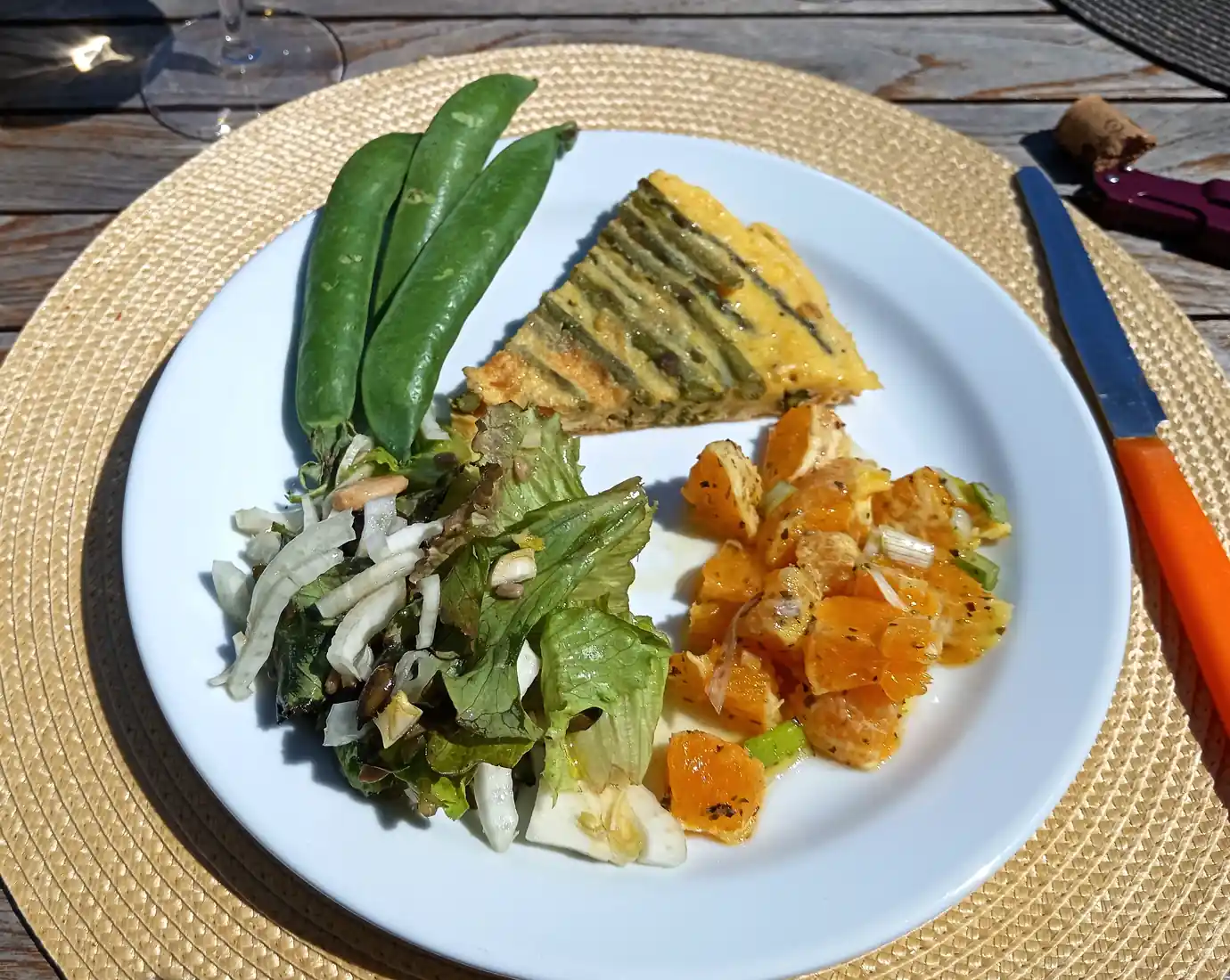
What to eat in May: Introduction
‘What to Eat in May’ is a guide that you can use at the supermarket or market and in your kitchen during this month, which marks the start of summer.
Personally, I much prefer May to April for two reasons:
- As the variety of fruit and vegetables increases, prices drop significantly and
- it becomes easier to eat healthily without overcomplicating things, since summer temperatures make cold dishes like hearty salads an enjoyable option for lunch at least.
So it’s easy to see May as a gift from nature for those who stick to eating seasonally. But why is it so important not to eat strawberries in December?
Why should you eat seasonal foods?
In the article ‘Seasonal Fruits and Vegetables‘, I discussed this topic in depth. However, I believe it is beneficial to reiterate the key points, even for individuals who already consider the seasonality of fresh produce.
Eating seasonal foods is not just an ethical or environmental choice. It has tangible effects on:
- Nutritional quality. Several studies show that produce harvested at the peak of ripeness has a better nutritional profile and undergoes fewer treatments (1, 2, 3, 4);
- Grocery costs. There is no need for greenhouses, heating or overseas transport, so it costs significantly less to buy strawberries in May than in January, for example;
- Pesticide use and its impact on soil and the environment. Out-of-season fruits and vegetables are more delicate and require more pesticides and fertilisers, which has a greater environmental impact(5, 6). Imported produce also travels thousands of kilometres, generating CO₂ emissions and dependence on fossil fuels(7).
- Ethics: They often come from countries where workers’ rights are not fully respected.
- Taste. Above all, fruit and vegetables bought in season are much tastier.
Now that we’ve clarified the reasons, let’s see what to eat in May.
What fruits and vegetables are in season in May?
May offers some of the tastiest and healthiest foods available.
Vegetables:
- Zucchini
- Asparagus and sea asparagus
- Peas
- Fava beans
- Lettuce and salad greens
- Swiss chard and sea chard
- Artichokes
- Fennel
- Broccoli
- Savoy cabbage
- Beets
Fruit:
- strawberries
- medlars
- citrus fruits, such as oranges, lemons and grapefruits, and
- apples and pears,
- alongside the last of local avocados.
These foods are all rich in fibre, highly nutritious, generally affordable when bought locally and very flavourful.
P.S. Due to climatic and geographical differences between northern and southern countries/cities, you may find that my list is not very accurate. Please understand that it is impossible to satisfy everyone with a single list. Please ask further info to your local farmers
TO LEARN HOW TO FREEZE AVOCADOS SUCCESSFULLY
What to Eat in May for a Healthy Diet and Detox
First of all, I must make this crystal clear:
There is no such thing as a miraculous 7-day detox diet that can cleanse the body of all the accumulated effects of a lifetime of indulgence!
However, that doesn't mean we're without hope; we just need to reverse the balance between indulgence and detox. In practice, indulgences should not exceed seven days a year, while the detox should be maintained daily. Only then can we support the cleansing work carried out by our liver and kidneys!
Essentially, we should follow the dietary habits of centenarians (you can read more about the longevity diet here): a predominantly plant-based diet comprising seasonal fruits and vegetables, legumes, oilseeds, whole grains, various grains, adequate amounts of healthy proteins (mostly plant-based), a few healthy fats, and the occasional sweet treat or glass of wine.
What to eat in May – 15 meals in 5 days
Breakfast
- Cold porridge or hot, if you like with strawberries and nuts, kefir or milk or yogurt (plant based or not)
- Vegan Pancakes with fruits in season and tahini or peanut butter or similar
- Vegan orange cake
- Yoghurt (plant based or cow’s milk) bowl with fruits in season, seeds and nuts
- Chia pudding
Lunch
- Whole wheat pasta with peas and beets and zucchini carpaccio
- Creamy vegetables curry with savoury buckwheat and zucchini pancakes
- Zucchini pesto spaghetti and artichoke carpaccio
- Brown rice and mushroom risotto and wild asparagus salad
- Italian stale bread soup and chickpea and mushroom meatballs
Dinner
- La vignarola (Italian artichoke, peas and fava beans) and lentil pizza
- Asparagus, nuts and tofu and turkish style fava beans with pods
- Fava beans mezze and vegetables and local avocado guacamole
- Chickpea crepes with asparagus and bruised leek and carrots
- Bean salad and vegan turkish borek with swiss chard
Dessert
- Strawberry cheesecake
- Nice cream with sweet potato
- Carob cake with cherry or strawberry topping
- Vegan chocolate muffin and pumpkin cream or fruits in season
- Italian wine cookies
These healthy, delicious, balanced and nutrient-rich dishes will help you achieve the coveted detox effect, while also reducing your environmental impact, family budget and those extra pounds.
As you can see, they contain no meat and require few animal-based ingredients (many are completely free of them). Give them a try — you won’t regret it!
TO FIND OUT HOW TO REDUCE (OR ELIMINATE) YOUR MEAT CONSUMPTION
Conclusions
By following the advice in this comprehensive and easy-to-follow guide, we can achieve two important things:
- we learn what to eat in May without making mistakes, and
- we learn that to be healthy and live a long life, we don’t need expensive supplements or superfoods — what our bodies need can be found in everyday foods, we just need to know how to choose them at the right season!
So enjoy your yummy May fruits and vegetables and good revolution to you all
Bibliography
1) Wunderlich, Shahla M., et al. “Nutritional quality of organic, conventional, and seasonally grown broccoli using vitamin C as a marker.” International Journal of Food Sciences and Nutrition 59.1 (2008): 34-45.
2) Cox, Brian D., Margaret J. Whichelow, and A. Toby Prevost. “Seasonal consumption of salad vegetables and fresh fruit in relation to the development of cardiovascular disease and cancer.” Public health nutrition 3.1 (2000): 19-29.
3) Ersoy, Nesli, et al. “Effect of seasonal changes on nutritional status and biochemical parameters in Turkish older adults.” Nutrition Research and Practice 12.4 (2018): 315-323.
4) Bordean, Despina-Maria. “Seasonal variation in nutrient content of some leafy vegetables from Banat County, Romania.” (2013).
5) Macdiarmid, Jennie I. “Seasonality and dietary requirements: will eating seasonal food contribute to health and environmental sustainability?.” Proceedings of the Nutrition Society 73.3 (2014): 368-375.
6) Röös, Elin, and Hanna Karlsson. “Effect of eating seasonal on the carbon footprint of Swedish vegetable consumption.” Journal of Cleaner Production 59 (2013): 63-72.
7) Bell, Eric M., and Arpad Horvath. “Modeling the carbon footprint of fresh produce: effects of transportation, localness, and seasonality on US orange markets.” Environmental Research Letters 15.3 (2020): 034040

You may also like

Greek salad: packed with nutrients and ideal for summer

In summer we lose many mineral salts through sweating: Greek salad allows us to recover them in a practical and tasty way

Romano beans with tomatoes, easy Turkish recipe ideal for the summer
Romano beans are rich in vitamins, minerals and dietary fiber; delicious eaten cold as proposed in this classic Turkish recipe
Summary
Article Name
What to eat in May: the best spring dishes that are also affordable
Description'What to Eat in May' is a guide to smart grocery shopping, helping you to save money while buying seasonal foods that detoxify your body
Author
Başak Bartu


